

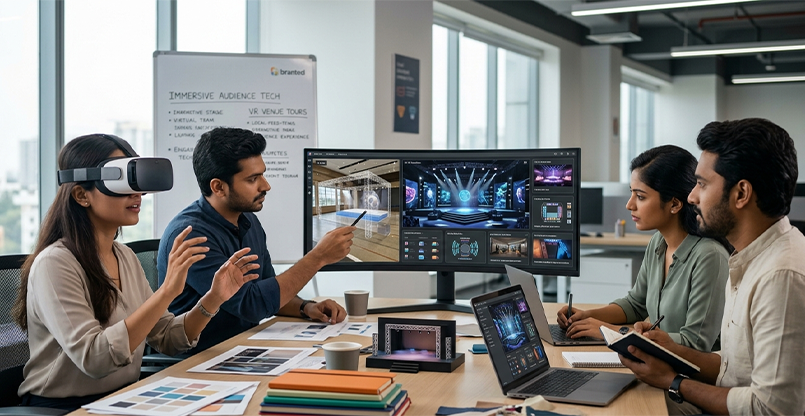
What Role Do AR and VR Play in Modern Events?
Augmented Reality (AR) and Virtual Reality (VR) are transforming the landscape of modern events by delivering immersive and interactive experiences that captivate audiences. As event organizers seek innovative ways to enhance engagement, these technologies bridge the gap between physical and digital environments. AR allows attendees to interact with real-world settings enhanced by digital elements, while VR offers fully virtual experiences that transport users to entirely new environments. From product launches and exhibitions to corporate meetings and weddings, AR and VR elevate storytelling and audience participation. They also enable remote attendees to experience events in real time, expanding reach and accessibility. With the growing demand for personalized and tech-driven experiences, AR and VR have become essential tools in event planning strategies. These technologies not only improve attendee satisfaction but also provide valuable data insights for organizers. As the events industry continues to evolve, AR and VR play a crucial role in shaping the future of experiential marketing and event innovation.
What Are AR and VR in the Event Industry?
Augmented Reality (AR) and Virtual Reality (VR) in the event industry are transformative technologies that enhance audience engagement through immersive experiences. AR overlays digital elements onto the real-world environment, allowing attendees to interact with virtual content using smartphones or smart devices. In contrast, VR creates a fully immersive digital environment where users can experience events remotely through headsets. These technologies are widely used in exhibitions, product launches and corporate events to create memorable brand interactions. AR and VR help event organizers deliver innovative storytelling and interactive presentations that capture audience attention. They also enable hybrid and virtual event formats, expanding reach beyond physical locations. With advanced visualization and real-time engagement, AR and VR improve audience participation and satisfaction. Businesses leveraging these technologies gain a competitive edge by offering unique and futuristic experiences. As digital transformation accelerates, AR and VR continue to redefine how events are planned, experienced and remembered.
How AR and VR Are Used in Modern Events?
AR and VR are revolutionizing modern events by creating immersive and interactive experiences that captivate audiences and enhance engagement. From virtual venue tours to augmented product showcases, these technologies allow brands to present their ideas in a more dynamic and memorable way. Event organizers are increasingly using AR for real-time visual enhancements and VR for fully immersive simulations that transport attendees into a digital environment. This not only improves audience participation but also strengthens brand recall and storytelling. In corporate events, AR and VR help deliver personalized and tech-driven experiences that align with evolving audience expectations. They also enable remote participation, making events more accessible and inclusive across global audiences. As innovation continues to shape the events industry, integrating AR and VR has become a strategic necessity rather than an option. Businesses that embrace these technologies can create impactful, future-ready events that stand out in a competitive market.
Why AR and VR Are Transforming Event Experiences
Augmented Reality (AR) and Virtual Reality (VR) are transforming event experiences by introducing immersive and interactive environments that captivate audiences like never before. These technologies allow attendees to engage with content in a more personalized way and make events more memorable and impactful. From virtual product showcases to 360-degree brand storytelling, AR and VR enhance audience participation and emotional connection. They also help businesses stand out in a competitive event landscape by offering innovative and tech-driven experiences. As digital transformation continues to shape the events industry, AR and VR are becoming essential tools for creating next-level engagement. Event organizers are increasingly leveraging these technologies to boost attendee satisfaction and brand recall. Additionally, AR and VR enable remote participation, expanding the reach of events beyond physical boundaries. This shift not only improves accessibility but also drives higher ROI for businesses.
Use of AR VR Technology in Corporate Events
The use of AR VR technology in corporate events is redefining how businesses connect, engage and communicate with their audiences in a highly immersive way. By blending digital innovation with real-world experiences, companies can create interactive environments that captivate attendees and enhance brand recall. From virtual reality product launches to augmented reality presentations, these technologies bring ideas to life like never before. The use of AR VR technology in corporate events also improves audience participation, making events more dynamic and impactful. As organizations aim to stand out in a competitive market, adopting such advanced solutions becomes a strategic necessity. It not only boosts engagement but also delivers measurable results through enhanced user experiences. Additionally, AR and VR help in creating personalized event journeys tailored to audience preferences. This shift toward experiential events highlights the future of corporate gatherings driven by technology. Businesses that embrace AR VR technology in corporate events position themselves as innovative leaders in the evolving event landscape.
How Immersive Technology Improves Audience Engagement
Immersive technology is redefining how brands connect with audiences by creating interactive and engaging experiences that go beyond traditional event formats. Through tools like augmented reality, virtual reality and mixed reality, businesses can capture attention instantly and keep participants actively involved. This level of engagement not only enhances audience satisfaction but also improves information retention and emotional connection with the brand. By enabling real-time interaction and personalized experiences, immersive technology makes events more meaningful and memorable. It also encourages social sharing, increasing brand visibility and reach across digital platforms. As audiences increasingly seek unique and tech-driven experiences, integrating immersive solutions becomes a powerful strategy for event success. Companies that invest in immersive technology can build stronger relationships and deliver impactful storytelling and it transforms passive attendees into active participants, boosting overall engagement and event effectiveness.
Challenges of Using AR and VR in Events
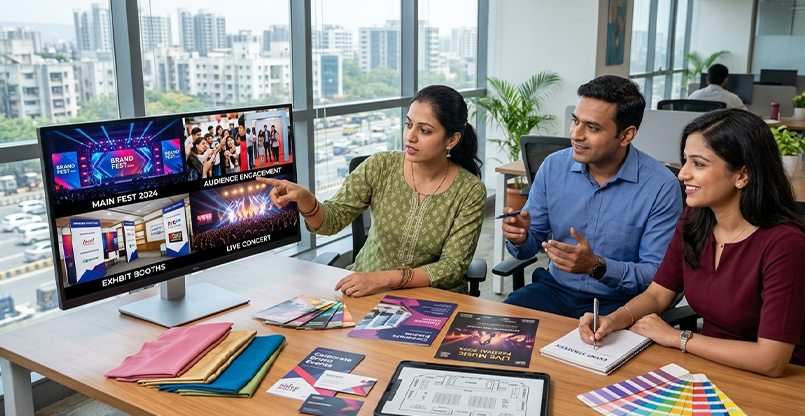
The challenges of using AR and VR in events can significantly impact the overall execution and attendee experience if not properly addressed. High implementation costs often make it difficult for many organizations to adopt these advanced technologies at scale. Technical issues such as hardware limitations, software glitches and connectivity problems can disrupt the seamless flow of an event. Additionally, not all attendees may be familiar with AR and VR, creating a learning curve that affects engagement levels. Accessibility is another concern, as some users may experience discomfort or motion sickness while using VR devices. Content development for AR and VR also requires specialized skills, increasing both time and resource investment. Integration with existing event systems and platforms can further complicate the process. Data privacy and security risks must also be carefully managed when using immersive technologies. Despite these challenges, strategic planning and expert support can help businesses successfully leverage AR and VR to create impactful event experiences.
Conclusion
Augmented Reality (AR) and Virtual Reality (VR) are redefining modern events by creating immersive, interactive and memorable experiences that captivate audiences like never before. From virtual venue tours to engaging product showcases, these technologies enhance attendee participation and brand storytelling. As the demand for innovative event solutions grows, integrating AR and VR has become essential for staying competitive. Memories Unlimited leverages these cutting-edge technologies to deliver unique and impactful events that leave a lasting impression. Embracing AR and VR not only elevates event experiences but also drives greater engagement and ROI in today’s digital-driven world.
FAQs
1. What role do AR and VR play in modern events?
AR and VR play a major role in modern events by creating immersive, interactive and engaging experiences for audiences. AR enhances real-world environments with digital elements, while VR creates fully virtual environments. Together, they improve storytelling, audience participation and brand engagement, making events more memorable and impactful compared to traditional formats.
2. How are AR and VR used in events today?
AR and VR are used in modern events for virtual product demos, immersive presentations, virtual venue tours and interactive brand experiences. In corporate events, they are widely used for training, conferences and product launches. These technologies allow both physical and remote audiences to engage more effectively, enhancing overall event experience.
3. Why are AR and VR important in event planning?
AR and VR are important in event planning because they increase engagement, improve audience experience and create innovative event formats. They help planners design immersive environments that stand out and leave a lasting impression. By integrating these technologies, events become more interactive, memorable and aligned with modern audience expectations.
Related posts:
 Which Wedding Concepts Have Redefined Classic Weddings Recently?
 How can effective communication between event planners and clients enhance overall event planning success?
 How Do Organizers Ensure Smooth Communication with Vendors During Event Planning?
 How Can Influencer Marketing Boost Event Attendance?