

How Can Influencer Marketing Boost Event Attendance?
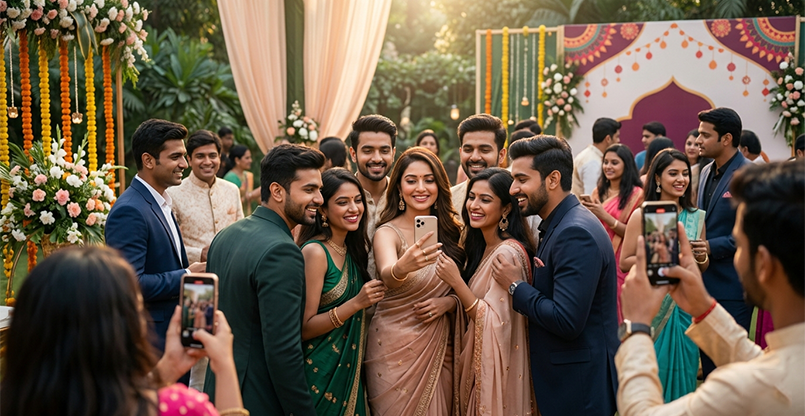
Influencer marketing has become a powerful strategy for promoting events in today’s digital-first world. By leveraging the reach and credibility of social media influencers, brands can connect with highly targeted audiences. Influencers create authentic content that builds trust and excitement around an event. Their followers often value their recommendations, making them more likely to attend. This approach helps events gain visibility across platforms like Instagram, YouTube and LinkedIn. It also enables real-time engagement through stories, reels and live sessions. Influencers can generate buzz before, during and after the event. Additionally, they help create a sense of exclusivity and urgency among audiences. Collaborating with the right influencers ensures better audience alignment and higher conversions. Ultimately, influencer marketing drives awareness, engagement and increased event attendance effectively.
What is Influencer Marketing for Events?
Influencer Marketing for events is a strategic promotional approach that leverages individuals with strong online followings to create awareness and drive attendance.It involves collaborating with influencers who have credibility and engagement within a specific niche or target audience.These influencers promote the event through platforms such as social media, blogs and video content.The primary goal is to reach a wider, more relevant audience in an authentic and engaging manner.Unlike traditional advertising, influencer marketing focuses on trust-based communication.Influencers share event details, experiences and personal endorsements to build interest.
This approach helps create anticipation and excitement before the event takes place. It also enhances brand visibility and strengthens audience connection. Event organizers often select influencers based on audience demographics and relevance. Campaigns may include sponsored posts, live coverage, giveaways and exclusive previews. Influencer marketing can significantly improve event reach and engagement rates. It also allows real-time interaction through comments, shares and live sessions. Additionally, it supports content generation that can be reused for future promotions. Measurable metrics such as impressions, clicks and conversions help track performance. Overall, influencer marketing for events is a powerful tool to maximize attendance and brand impact in the digital age.
Why Influencer Marketing is Effective for Event Promotion
Influencer marketing is highly effective for event promotion because it leverages trust, authenticity and targeted audience reach. Influencers have already built strong relationships with their followers, making their recommendations more credible than traditional advertisements. When they promote an event, it feels like a personal suggestion rather than a sales pitch, which increases audience interest and engagement. Another key reason is precise targeting. Event organizers can collaborate with influencers whose audience aligns with the event’s niche, ensuring the promotion reaches the right people. This reduces wasted marketing efforts and improves conversion rates. Influencers also create engaging and relatable content such as reels, stories and live sessions, which capture attention more effectively than static ads.
Influencer marketing also boosts visibility across multiple platforms, increasing event awareness quickly. Through shares, tags and collaborations, the event gains organic reach beyond the influencer’s direct followers. Real-time interactions, such as Q&A sessions or live event previews, further enhance audience excitement and participation. Additionally, influencers help generate user-driven content, which can be reused for future promotions and brand building. Their content often encourages followers to take action, whether it’s registering for the event or sharing it within their own network. This creates a ripple effect that expands the event’s reach.
How Micro Influencers Increase Event Attendance
Micro-influencers play a powerful role in increasing event attendance by leveraging strong audience trust and niche engagement. Unlike larger influencers, they typically have smaller but highly loyal and interactive follower bases. This close connection makes their recommendations feel more authentic and persuasive, encouraging followers to take action. Micro-influencers usually focus on specific interests such as fitness, tech, fashion or local events, allowing event organizers to connect directly with the most relevant audience. This ensures that promotions reach people who are more likely to attend, improving conversion rates. Their content is often more relatable and personal, which resonates better with followers. Whether through stories, reels or posts, micro-influencers showcase events in a genuine way, creating curiosity and excitement. This type of content feels less like advertising and more like a trusted recommendation. Additionally, they are cost-effective, allowing event organizers to collaborate with multiple influencers within the same budget. This expands reach across different audience segments while maintaining authenticity.
Low-Budget Influencer Marketing Ideas for Events
Low-budget influencer marketing for events focuses on partnering with micro-influencers who have high engagement and affordable collaboration costs. Offering free event passes in exchange for promotion is a simple and effective strategy. Running giveaways and contests helps boost visibility and attract more participants organically. Encouraging user-generated content with hashtags increases reach without extra spending. Collaborating with multiple small influencers expands audience coverage at a lower cost. Using referral codes or affiliate links ensures you pay based on actual event registrations.
Common Mistakes to Avoid
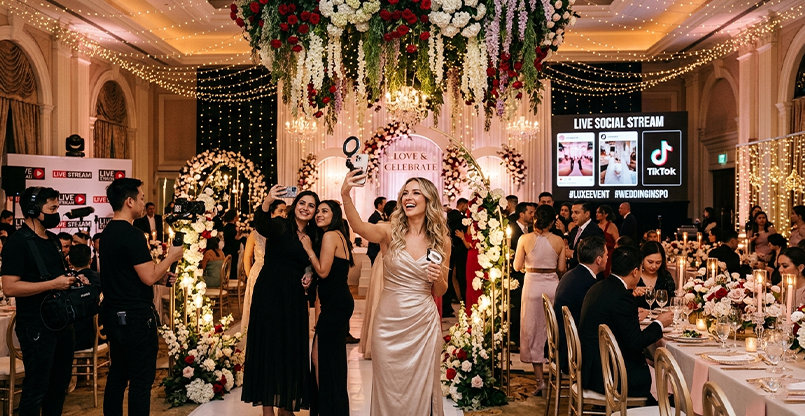
Choosing influencers based only on follower count instead of relevance and engagement can reduce campaign effectiveness. Lack of clear goals and strategy often leads to poor results and wasted budget. Ignoring audience alignment may attract the wrong crowd, affecting event attendance quality. Over-controlling influencer content can make promotions feel inauthentic and less engaging. Failing to track performance metrics makes it difficult to measure success and improve future campaigns. Not building long-term relationships with influencers can limit consistency and growth in event promotion.
Conclusion
Influencer marketing has emerged as a powerful strategy to boost event attendance by combining authenticity, targeted reach and engaging content. It allows brands to connect with the right audience through trusted voices who can inspire action. By leveraging creative collaborations and real-time engagement, events can generate strong buzz and higher participation. Even with limited budgets, strategic use of micro-influencers can deliver impactful results. When executed effectively, it not only drives attendance but also enhances brand visibility and long-term audience connection. With the right approach, Event Planners like Memories Unlimited can successfully maximize event reach and create memorable experiences.
FAQs
1. How can influencer marketing boost event attendance effectively?
Influencer marketing boosts event attendance by leveraging trusted voices to promote events authentically. Influencers create engaging content such as reels, stories and videos that reach a targeted audience.
2. Are micro influencers better for promoting small events?
Micro influencers are highly effective for small events because they have a focused and engaged audience. Their followers trust their recommendations, which increases the chances of event participation.
3. What is the best low-budget influencer marketing strategy for events?
The best low-budget strategy includes collaborating with micro influencers, offering free event passes and running giveaways. Creating engaging Instagram reels and stories also helps increase visibility. Focusing on local influencers ensures the promotion reaches the right audience.
Related posts:
 Which Wedding Concepts Have Redefined Classic Weddings Recently?
 How can effective communication between event planners and clients enhance overall event planning success?
 How Do Organizers Ensure Smooth Communication with Vendors During Event Planning?
 Unique Bridal Entry Ideas Designed by Event Planners