

How to Plan a Zero-Waste Event in 2026 ?
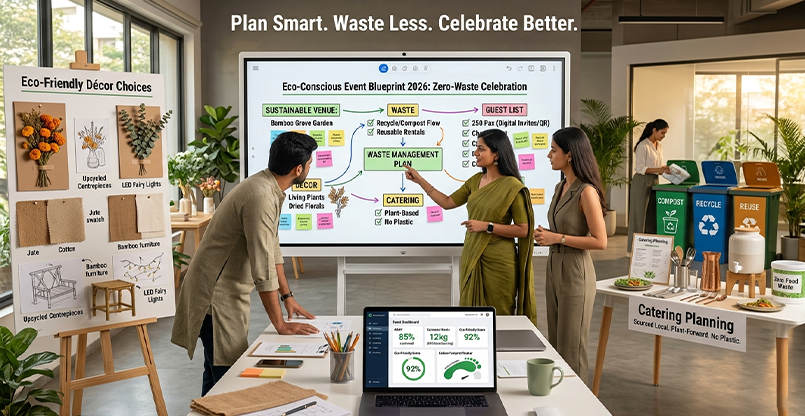
Planning a zero-waste event in 2026 requires a strategic approach that prioritizes sustainability at every stage, from concept to execution. Start by selecting a venue that supports eco-friendly practices such as waste segregation and energy efficiency. Opt for digital invitations and registrations to minimize paper usage. Choose vendors who align with sustainable values, including caterers who use locally sourced, organic ingredients and avoid single-use plastics.
Implement reusable or compostable materials for decor, utensils and packaging. Set up clearly labeled waste stations to encourage proper recycling and composting among attendees. Incorporate minimalistic and reusable decor themes to reduce excess. Partner with organizations that can manage leftover food donations or composting. Educate attendees about your zero-waste goals through signage or announcements. Track waste generation and analyze areas for improvement post-event. By integrating these practices, you can host an environmentally responsible event that aligns with modern sustainability standards.
What Is a Zero-Waste Event and Why It Matters in 2026
A Zero-Waste Event is a sustainable approach to event planning that aims to minimize waste generation by reducing, reusing and recycling materials at every stage. Instead of sending waste to landfills, the focus is on diverting it through composting and responsible resource management. In 2026, zero-waste events will become increasingly important due to rising environmental concerns and stricter sustainability expectations. Businesses and organizers are now expected to demonstrate eco-conscious practices as part of their brand responsibility. Such events help reduce carbon footprints by limiting single-use plastics and promoting efficient resource use. They also encourage the use of digital solutions, reusable decor and sustainable catering methods.
Attendees today are more environmentally aware and prefer events that align with their values. Zero-waste events can enhance brand reputation and build trust among eco-conscious audiences. Governments and organizations are also promoting green initiatives, making sustainability a competitive advantage. Additionally, reducing waste can lead to cost savings in the long run through efficient planning. It also supports local communities by sourcing materials and services responsibly. Ultimately, zero-waste events matter in 2026 because they contribute to a cleaner environment and a more sustainable future.
Benefits of Planning a Zero-Waste Event
Planning a zero-waste event significantly reduces environmental impact by minimizing landfill waste and promoting recycling and reuse. It enhances brand reputation by showcasing a strong commitment to sustainability and social responsibility. Such events often attract eco-conscious audiences, increasing engagement and positive perception. Cost savings can be achieved through efficient resource management and reduced material usage. It encourages innovation in event planning, such as digital solutions and sustainable sourcing. Overall, it contributes to a cleaner environment while aligning with modern sustainability trends.
Simple Zero-Waste Event Ideas for Small Gatherings
Planning a zero-waste small gathering can be simple with mindful choices and creative ideas. Start by sending digital invitations instead of printed cards to reduce paper waste. Use reusable plates, glasses and cutlery rather than disposable items. Opt for homemade or locally sourced food to minimize packaging and support local producers. Serve drinks in bulk dispensers instead of single-use bottles. Decorate with natural or reusable items like flowers, plants or fabric banners. Encourage guests to bring their own containers for leftovers to avoid food waste. Set up small labeled bins for recycling and composting. Avoid single-use decorations like balloons and plastic streamers. Use cloth napkins instead of paper tissues for a more sustainable touch. These simple steps make your gathering eco-friendly without compromising on style or comfort.
Zero-Waste Event Ideas for Weddings and Corporate Events
Zero-waste weddings and corporate events can be both elegant and environmentally responsible with thoughtful planning. Choose venues that support sustainable practices like waste segregation and energy efficiency. Send digital invitations or use recycled paper for a minimal environmental footprint. Opt for reusable or rented decor, including floral arrangements that can be repurposed or donated. Work with caterers who provide locally sourced food and avoid single-use plastics by using reusable or compostable serveware. Replace plastic water bottles with refill stations or glass dispensers. Provide guests with eco-friendly return gifts such as plants or reusable items. Set up clearly labeled recycling and composting stations to manage waste effectively. Collaborate with sustainability partners to handle leftover food donations and recycling. These practices ensure your event remains stylish while significantly reducing its environmental impact.
Simple Zero-Waste Event Ideas for Small Gatherings
Planning a zero-waste small gathering can be simple with mindful choices and creative ideas. Start by sending digital invitations instead of printed cards to reduce paper waste. Use reusable plates, glasses and cutlery rather than disposable items. Opt for homemade or locally sourced food to minimize packaging and support local producers. Serve drinks in bulk dispensers instead of single-use bottles. Decorate with natural or reusable items like flowers, plants or fabric banners. Encourage guests to bring their own containers for leftovers to avoid food waste. Set up small labeled bins for recycling and composting. Avoid single-use decorations like balloons and plastic streamers. Use cloth napkins instead of paper tissues for a more sustainable touch. These simple steps make your gathering eco-friendly without compromising on style or comfort.
Zero-Waste Event Ideas for Weddings and Corporate Events
Zero-waste weddings and corporate events can be both elegant and environmentally responsible with thoughtful planning. Choose venues that support sustainable practices like waste segregation and energy efficiency. Send digital invitations or use recycled paper for a minimal environmental footprint. Opt for reusable or rented decor, including floral arrangements that can be repurposed or donated. Work with caterers who provide locally sourced food and avoid single-use plastics by using reusable or compostable serveware. Replace plastic water bottles with refill stations or glass dispensers. Provide guests with eco-friendly return gifts such as plants or reusable items. Set up clearly labeled recycling and composting stations to manage waste effectively. Collaborate with sustainability partners to handle leftover food donations and recycling. These practices ensure your event remains stylish while significantly reducing its environmental impact.
Common Mistakes to Avoid in Zero-Waste Event Planning
One common mistake in zero-waste Event Planning is relying on single-use items disguised as eco-friendly without verifying their true sustainability. Many planners overlook proper waste segregation, leading to recyclable and compostable materials ending up in landfills. Ignoring vendor sustainability practices can also increase unnecessary waste. Over-ordering food is another frequent issue, resulting in avoidable food waste. Failing to educate attendees about zero-waste goals reduces participation and effectiveness. Using excessive or non-reusable decor can undermine sustainability efforts. Not planning for leftover management, such as donations or composting, is a missed opportunity. Lack of monitoring and measurement makes it difficult to improve future events. Avoiding these mistakes helps ensure your zero-waste event is truly impactful and environmentally responsible.
Trending Zero-Waste Event Ideas in 2026

In 2026, zero-waste events are embracing digital-first experiences with e-invites, QR-based check-ins and paperless agendas. Sustainable catering trends focus on plant-based menus, locally sourced ingredients and zero-food-waste strategies. Reusable and rental decor, including modular setups and living plant installations, are becoming increasingly popular. Smart waste management systems with AI-driven sorting and real-time tracking are enhancing efficiency. Eco-friendly giveaways like seed kits, reusable products and donation-based gifting are trending among conscious event planners.
Conclusion
Securing the permissions required for hosting events is a vital step in organizing any successful event at a large venue. From ensuring safety and compliance to avoiding legal complications, these approvals play a crucial role in smooth execution. By understanding the process, preparing the necessary documents and coordinating with authorities, organizers can create memorable events without unnecessary challenges. Professional planners like Memories Unlimited bring expertise and efficiency to this process, helping clients navigate permissions seamlessly while delivering exceptional event experiences.
FAQs
1. How to plan a zero waste event at home?
Planning a zero waste event at home starts with minimizing waste at every stage. Use reusable utensils, cloth decorations and avoid single-use plastics. Opt for home-cooked or locally sourced food and set up waste segregation bins for recycling and composting.
2. What are the best eco-friendly event ideas on a budget?
Budget-friendly eco-friendly event ideas include renting decor, using natural elements like flowers and leaves, and avoiding disposable items. Reusable materials and digital solutions can significantly cut expenses while supporting zero waste event planning, making sustainability affordable and practical.
3. How to reduce waste in events effectively?
Reducing waste in events involves careful planning and execution. Start by eliminating single-use plastics, using reusable or biodegradable materials and setting up proper waste segregation systems. Partnering with eco-conscious vendors and educating guests about sustainable practices also helps.
Related posts:
 Which Wedding Concepts Have Redefined Classic Weddings Recently?
 How can effective communication between event planners and clients enhance overall event planning success?
 How Do Organizers Ensure Smooth Communication with Vendors During Event Planning?
 How Can Influencer Marketing Boost Event Attendance?