

How to Organize a Successful Corporate Event?
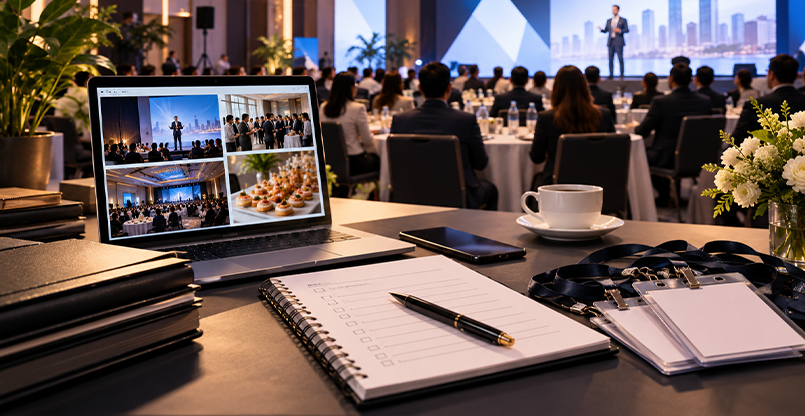
Organizing a successful Corporate Event requires careful planning, clear objectives and attention to every important detail. From choosing the right venue and setting a realistic budget to managing vendors and creating an engaging agenda, each step contributes to the overall experience. A well-organized corporate event can strengthen relationships with employees, clients, partners and industry professionals. Effective communication, timely coordination and professional execution also help prevent common event-planning challenges. By following a structured approach, businesses can deliver memorable events that support their brand and business goals.
Define Clear Objectives for the Event
A successful corporate event begins with clearly defined objectives that establish its purpose and direction. Whether the goal is employee engagement, client relationship building, networking, lead generation, or product promotion, having a clear focus helps shape the event effectively. Understanding the target audience also ensures the venue, activities, format and overall experience match attendee expectations. Clear objectives make planning more organized and help measure the event’s success.
Create a Realistic Corporate Event Budget
Creating a realistic corporate event budget helps businesses control expenses while delivering a successful and professional event. Allocate funds for key requirements such as the venue, catering, audiovisual equipment, décor, entertainment, transportation, staffing and promotional activities. Include smaller costs such as printing, signage, registration technology and technical support, along with a contingency fund for unexpected expenses. Regularly track spending, compare vendor quotes and negotiate packages to maintain quality while staying within budget.
Choose the Right Date and Venue
Selecting the right date and venue is essential for creating a successful and engaging event. Consider guest capacity, accessibility, parking, seating, catering, audiovisual facilities, internet connectivity and the overall atmosphere. The venue should align with the event’s purpose and provide a comfortable experience for attendees. Choose a convenient date that avoids major holidays, industry events and important business commitments. Sending invitations well in advance also gives guests enough time to plan and attend.
Build a Detailed Planning Timeline
A well-structured corporate event planning timeline keeps every stage organized and ensures key tasks are completed on schedule. Start by setting major milestones and work backward from the event date, including venue confirmation, vendor bookings, invitations, catering and technical arrangements. Assign clear responsibilities to team members to avoid confusion and improve accountability. Regular planning meetings and shared project management tools can help track progress, manage deadlines and resolve potential issues before the event.
Plan an Engaging Event Program
A well-planned event program keeps attendees engaged and creates a memorable experience. Include a balanced mix of keynote speeches, presentations, workshops, networking sessions, demonstrations and interactive activities based on your audience. Avoid overcrowding the schedule by allowing enough time for breaks, refreshments and meaningful conversations. Relevant Q&A sessions, team activities and networking opportunities can further encourage participation and maintain energy throughout the event.
Select Reliable Vendors and Service Providers
Choosing reliable vendors is essential for delivering a successful and well-organized event. Evaluate caterers, decorators, photographers, AV specialists, entertainers and other providers based on their experience, service quality, reviews, communication, availability and pricing. Always confirm services, costs, timelines, cancellation terms and responsibilities in a written contract. Maintaining clear communication with vendors throughout the planning process can help avoid misunderstandings and last-minute issues.
Manage Invitations and Guest Experience
Create a seamless guest experience by providing clear invitations with the event purpose, date, time, venue, registration details and important instructions. A simple registration process helps organizers manage attendance while collecting dietary preferences, accessibility needs and special requests. On the event day, welcoming staff, clear signage, comfortable seating, refreshments and easy access to information can make check-in smooth and leave a positive first impression.
Prepare for Event-Day Logistics
A detailed corporate event preparation checklist ensures every event-day detail is organized and ready. Confirm the venue setup, seating, catering, signage, lighting, audiovisual equipment, registration desk, transportation and staff assignments in advance. Clearly assign responsibilities for guest registration, vendor coordination, technical support, speaker assistance and attendee support. Test all technology, including microphones, screens, projectors, internet, presentations and lighting, while keeping backup options ready to prevent unexpected disruptions.
Promote the Event Effectively
Effective event promotion helps increase attendance, engagement and overall event success. Use email marketing, social media, websites, internal communication platforms, direct invitations and event registration pages to reach your target audience. Highlight the key benefits of attending, such as expert speakers, networking opportunities, valuable insights and unique experiences. Send timely reminders with essential details, including the venue address, schedule, parking information, registration process and dress code.
Focus on Attendee Engagement
A successful event should prioritize attendee engagement through interactive sessions, live polls, Q&A discussions, workshops, demonstrations and networking activities. Creating opportunities for meaningful connections can help guests interact with colleagues, clients, industry professionals and business partners. Personalized content based on attendee interests can make the event more relevant and memorable. A well-planned interactive experience encourages participation and creates a stronger, more lasting impression.
Avoid Common Planning Mistakes
Effective event planning requires careful preparation to avoid common challenges that can affect the overall experience. Starting early, setting a realistic budget, assigning clear responsibilities and maintaining strong communication can help ensure smooth execution. Choosing the right venue, managing schedules and preparing for technical requirements are equally important. A well-developed contingency plan can also help the team handle vendor delays, attendance changes, technical issues and unexpected situations with confidence.
Measure Event Success
Post-event evaluation helps determine whether the event achieved its intended goals. Gather attendee feedback on the venue, content, activities, organization, catering and overall experience. Review key metrics such as attendance, engagement, leads, participation, customer feedback, and expenses. Comparing these results with the original objectives can highlight strengths and areas for improvement. Documenting these insights helps businesses plan more successful and impactful events in the future.
Final Preparation Before the Event
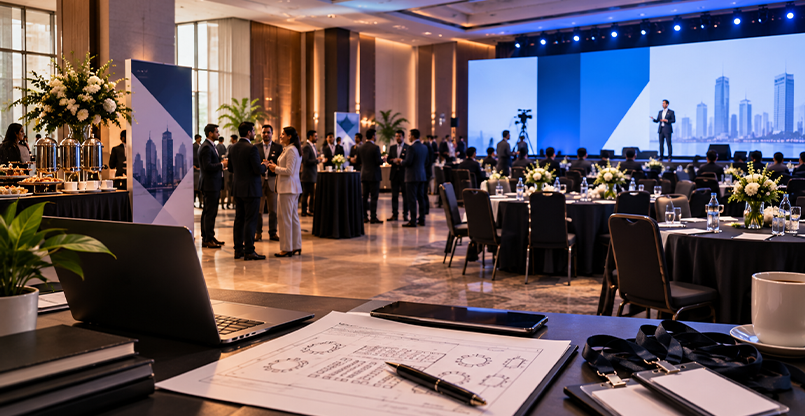
Before the event begins, conduct a final review of the venue, guest list, vendors, catering, seating, speakers, agenda, technical equipment, transportation, signage and staff responsibilities. Complete a final venue walkthrough to identify and resolve any last-minute issues. Review emergency procedures and backup plans with the entire team so everyone understands their responsibilities. Thorough preparation helps prevent avoidable problems and ensures a smooth, professional event experience. Most importantly, it allows the team to focus on delivering a positive and memorable experience for every guest.
Conclusion
Understanding how to organize a successful corporate event involves strategic planning, clear objectives, effective budgeting, the right venue, reliable vendors, and engaging activities. Every stage, from planning to post-event evaluation, plays an important role in creating a memorable attendee experience. Memories Unlimited can help businesses capture these valuable moments through professional corporate event photography and visual storytelling. A well-organized event can strengthen relationships, boost employee engagement, support business goals, and create lasting memories.
Frequently Asked Questions
What is the first step in planning a corporate event?
Start by defining the event’s purpose, target audience, goals, budget and expected outcomes before making major arrangements.
How far in advance should a corporate event be planned?
Most corporate events benefit from several months of preparation, particularly when they require popular venues, multiple vendors, speakers, or complex logistics.
How can you make a corporate event more engaging?
Use interactive sessions, networking opportunities, Q&A activities, workshops, entertainment and audience-focused experiences to encourage meaningful participation.
Related posts:
 Which Wedding Concepts Have Redefined Classic Weddings Recently?
 How can effective communication between event planners and clients enhance overall event planning success?
 How Do Organizers Ensure Smooth Communication with Vendors During Event Planning?
 How Can Influencer Marketing Boost Event Attendance?