


What Is a Flexible Event Program and Why Is It Important?
In modern Event Planning, having a strict and unchangeable schedule can often create unnecessary pressure for organizers and participants. A flexible event program allows organizers to adapt the event flow based on audience engagement, timing changes, technical needs or unexpected situations. Instead of following a fixed timeline, planners create a structured plan that still leaves room for adjustments when necessary. This approach helps ensure that the event runs smoothly while keeping attendees engaged and comfortable.Ultimately, a well-planned flexible event program not only reduces stress for organizers but also creates a more enjoyable and well-coordinated experience for attendees.
What Is a Flexible Event Program?
A flexible event program is an event schedule that provides a clear structure while allowing room for planning. Having a strict and unchangeable schedule can often create unnecessary pressure for organizers and participants. A flexible event program is designed to provide a clear structure while still allowing room for adjustments when unexpected changes occur. Events often involve multiple activities, speakers, performances and guest interactions and small delays or last-minute modifications are common. By building flexibility into the program, organizers can smoothly manage time, adjust session lengths and respond to audience engagement without disrupting the overall flow of the event.
How to Plan a Corporate Annual Day Event Step by Step
Successful events begin with clear planning and defined goals. Corporate annual day planning starts with identifying the purpose of the celebration. Some companies focus on employee recognition, while others emphasize team engagement or brand promotion. Defining the objective helps guide all other planning decisions. The next step involves choosing the right date and venue. The venue should comfortably accommodate all guests while also matching the theme and scale of the event. Corporate Annual Day Planning often includes venues such as banquet halls, resorts, or conference spaces that offer professional facilities and ambiance suitable for corporate gatherings.
Once the venue is finalized, organizers focus on designing the event program. A well-structured agenda keeps the event engaging and ensures that every segment flows smoothly. Corporate annual day planning typically includes welcome speeches, recognition awards, cultural performances and entertainment segments that maintain audience interest throughout the event. Another important part of planning is communication with employees and guests. Invitations, schedules and event details should be shared in advance so that attendees know what to expect. Clear communication helps avoid confusion and ensures that the event runs smoothly from start to finish.
Why Is a Flexible Event Program Important in Event Planning?
A Flexible Event Program is important in event planning because it helps organizers manage unexpected situations without disrupting the entire event. During events, delays can occur due to technical issues, late arrivals, extended speeches or changes in the schedule. A flexible program allows planners to adjust session timings, rearrange activities or extend certain segments while keeping the event organized and smooth. This adaptability ensures that important moments, such as keynote speeches, performances or award presentations, receive the proper attention they deserve. Flexibility also improves the overall experience for attendees by keeping the event engaging and comfortable rather than rushed or chaotic. When organizers have the freedom to adapt the schedule based on audience response or real-time circumstances, they can maintain a positive flow throughout the event. Ultimately, a flexible event program reduces stress for the planning team, prevents confusion, and helps deliver a well-managed and memorable event for everyone involved.
Key Elements of a Flexible Event Program
A flexible event program begins with a clear structure that outlines the main activities, sessions and important moments of the event while still allowing room for adjustments. Adding buffer time between sessions is essential because it helps manage small delays and ensures smooth transitions from one segment to another. Prioritizing important activities such as keynote speeches, performances or award presentations ensures that these key moments receive proper attention even if the schedule needs slight changes.
Having alternative plans or backup options is another important element, as it allows organizers to quickly respond to unexpected issues like speaker delays or technical problems. Sessions should also have adaptable lengths so they can be extended or shortened depending on audience engagement and the overall event flow. Effective communication among the event team, speakers and coordinators helps ensure that any schedule updates are shared quickly and clearly. Finally, real-time monitoring of the event schedule allows organizers to make quick decisions and maintain a smooth and well-organized experience for everyone attending.
Flexible Event Program Tips for Event Planners
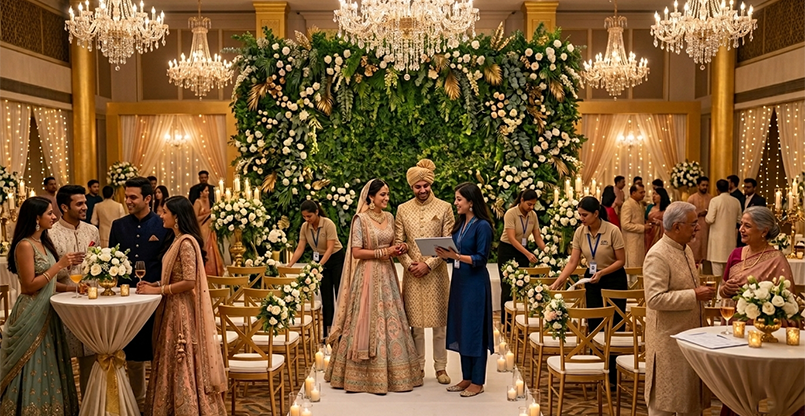
Event planners can create a successful flexible event program by starting with a well-structured schedule that outlines all key sessions, activities and transitions while still leaving room for adjustments. It is helpful to include buffer time between segments so small delays do not affect the entire event flow. Planners should also prioritize important moments such as keynote speeches, award presentations or special performances to ensure they receive the right attention even if timing changes occur.
Maintaining clear communication with speakers, hosts and the event team is another important tip, as it allows everyone to quickly adapt to any schedule updates. Preparing backup plans for technical issues, delayed guests or program changes can help avoid disruptions during the event. Event planners should also observe audience engagement and energy levels so they can adjust session lengths or activities when necessary. By staying organized, adaptable and attentive throughout the event, planners can ensure the program runs smoothly while creating a positive and engaging experience for attendees.
Conclusion
A flexible event program helps organizers manage time efficiently, maintain smooth event flow and enhance the overall experience for attendees. By incorporating buffer time, clear communication and contingency planning, event professionals can create programs that remain effective even when circumstances change.For organizations and individuals seeking professional expertise in event management, experienced planners can make a significant difference. Memories Unlimited specializes in designing well-structured yet adaptable event programs that ensure every event runs smoothly while creating memorable experiences for participants.
FAQs
1. What is a flexible event program in event planning?
A flexible event program is an event schedule designed with adaptability in mind. It provides a structured agenda while allowing planners to adjust session timing, activities or presentations based on real-time situations during the event.
2. Why is a flexible event program important for successful events?
A flexible event program is important because events often involve unpredictable factors such as speaker delays, technical issues or extended discussions. With a flexible schedule, planners can adjust the program without affecting the entire event timeline.
3. How can event planners create a flexible event schedule?
A well-structured corporate annual day program usually begins with a welcome address followed by presentations highlighting company achievements. Corporate annual day planning also ensures smooth transitions between program segments so the event remains engaging, professional and enjoyable for all attendees.
Related posts:
 Which Wedding Concepts Have Redefined Classic Weddings Recently?
 How can effective communication between event planners and clients enhance overall event planning success?
 How Do Organizers Ensure Smooth Communication with Vendors During Event Planning?
 What Are the Current Trendiest Mehendi and Haldi Function Ideas in 2026?